


-

Add: HeBei ShengShi HongBang Cellulose Technology CO.,LTD.
-

Email
13180486930@163.com -

CONTACT US
+86 13180486930

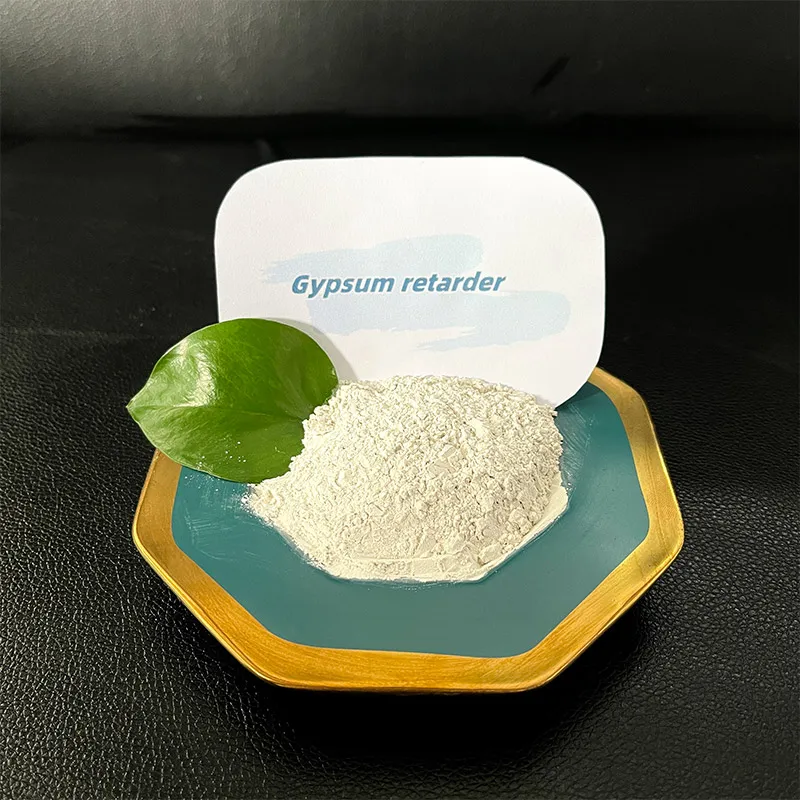
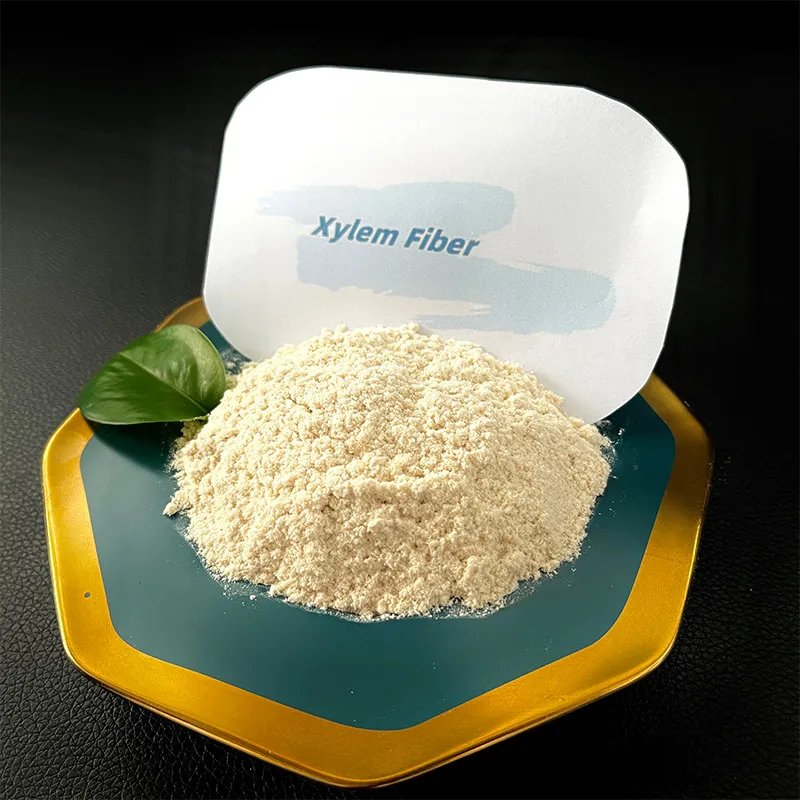


The gypsum retarder chemical is a crucial component in the world of plastering and construction. Gypsum, widely used in drywall and other building materials, has a natural tendency to set quickly. This is where a gypsum retarder chemical comes in—helping to slow down the setting time of gypsum-based materials. It allows for more flexibility during the application process, ensuring that workers have ample time to smooth, mold, and finish their plaster without the pressure of it hardening too soon. The role of the gypsum retarder chemical is particularly important for large-scale projects or when working in high-temperature environments, where gypsum sets faster than desired. By adding the retarder, contractors and plasterers can achieve smoother finishes and more accurate detailing, giving the end product a higher quality. The chemical's ability to slow down the hydration process makes it indispensable in situations where precision is key. Moreover, the gypsum retarder chemical helps prevent premature hardening, which can lead to cracks and other imperfections. For anyone working with plaster, whether for construction or artistic purposes, this chemical is a vital tool to ensure that the application process goes smoothly and the final result is flawless. Gypsum Plaster Retarder: Enhancing the Workability of Plaster When dealing with gypsum plaster retarder , you are essentially adding a substance that improves the workability of gypsum plaster. This retarder is specifically designed for plaster products, ensuring that they remain pliable for longer periods, thus giving the user more control over the setting time. It is especially useful for projects that require intricate detailing, as the extended work time reduces the risk of imperfections due to the quick setting of the plaster. The gypsum plaster retarder is added in small quantities during the mixing phase, where it interacts with the plaster’s composition to delay the setting reaction. By extending the time before hardening begins, this retarder provides artisans, contractors, and plasterers the ability to manipulate the plaster for a more professional finish. This is particularly beneficial when working with decorative plasterwork or large surface areas where precision and detail matter. In addition to improving the application process, the gypsum plaster retarder also helps maintain the integrity of the plaster. Since it slows down the setting time, it prevents the plaster from becoming too brittle too quickly, which can lead to cracks and breaks in the finished product. With the help of a gypsum plaster retarder , you can ensure your plaster job remains durable and beautiful for years to come. Trisodium Citrate Plaster Retarder: A Versatile Solution for Plastering One of the most widely used chemicals in the plaster industry is trisodium citrate plaster retarder , which has gained popularity due to its effectiveness in controlling the setting time of gypsum. Trisodium citrate plaster retarder works by interacting with the gypsum crystals during the hydration process, slowing down the chemical reaction that causes the plaster to harden. This gives users a longer period to work with the material, making it especially valuable in construction and renovation projects. The primary advantage of using trisodium citrate plaster retarder is its ability to delay the setting time without compromising the quality of the plaster. It can be used in a variety of applications, from simple wall coverings to intricate moldings and ornamental work. The versatility of this retarder ensures that it can be used in both large-scale industrial settings and smaller, more detailed artistic projects. Another benefit of trisodium citrate plaster retarder is that it is environmentally friendly compared to other chemical retarders. As a naturally occurring substance, trisodium citrate is safer for both the environment and the workers handling it. This makes it an excellent choice for those looking to create high-quality plasterwork while maintaining sustainability in their practices. Most Common Retarder in Gypsum: The Key to Perfect Setting Control The most common retarder in gypsum is often the go-to option for professionals in the plastering industry due to its reliability and consistency in performance. While there are various types of retarders available on the market, the most common retarder in gypsum is typically based on chemicals like citric acid or sodium-based compounds, which effectively slow down the hydration process. These compounds are particularly effective in gypsum plaster because they work well within the material’s chemical makeup. The use of the most common retarder in gypsum is not just limited to construction but extends to decorative applications, such as sculpting or making detailed plaster casts. By extending the time it takes for gypsum to set, the retarder allows for greater flexibility, ensuring that complex molds and fine details can be achieved without the material hardening prematurely. Moreover, the most common retarder in gypsum is available in various forms, including powders and liquid solutions, giving users the option to choose the best form for their specific project. Whether you are creating intricate designs or applying a simple plaster coat, this retarder is an invaluable addition to your plastering toolbox. By choosing the most common retarder in gypsum , you can achieve flawless results and meet the high standards expected in the industry. Choosing the Right Gypsum Retarder for Your Project When it comes to choosing the right gypsum retarder, understanding the needs of your specific project is crucial. Whether you are working with gypsum retarder chemical , gypsum plaster retarder , or trisodium citrate plaster retarder , the choice depends largely on the nature of the task at hand. For standard applications, the most common retarder in gypsum will often suffice. However, for more complex projects that require precise control, like decorative plaster work or large-scale construction, a specialized retarder may be necessary. Choosing the right product also depends on factors like environmental conditions. For example, if you are working in a hot, dry climate where gypsum sets quickly, using a high-performance gypsum plaster retarder will help you manage the setting time more effectively. On the other hand, in cooler climates, the need for a retarder may not be as urgent, but it can still improve your efficiency. As a final consideration, ensure that the retarder you choose is compatible with the specific gypsum product you are using. Some gypsum formulations may respond better to one type of retarder over another. Working with a trusted supplier who understands these nuances will help you make an informed decision and achieve the best results for your project. G ypsum R etarder C hemical FAQs What is a gypsum retarder chemical? A gypsum retarder chemical is a substance added to gypsum materials to slow down their setting time. This gives the user more time to manipulate and apply the plaster without worrying about it hardening too quickly. How does trisodium citrate work as a plaster retarder? Trisodium citrate plaster retarder works by slowing down the hydration process of gypsum, preventing it from setting too quickly. This extends the time for application, making it easier to work with and allowing for more intricate and detailed plastering. Is trisodium citrate environmentally friendly? Yes, trisodium citrate plaster retarder is considered environmentally friendly. It is a naturally occurring substance that is safe for both the environment and those using it in plastering applications. Which is the most common retarder used in gypsum? The most common retarder in gypsum is often based on citric acid or sodium compounds. These chemicals effectively slow down the setting time of gypsum, allowing for better control during application. Where can I purchase gypsum retarders for my projects? Our website offers a variety of gypsum retarders including gypsum retarder chemical , gypsum plaster retarder , and trisodium citrate plaster retarder . Visit our site today to choose the best retarder for your needs and enhance the quality of your plastering work.
- 40000tons

Production
- 20+years

Experience
- 5000+㎡

Acreage

-
Hydroxypropyl Methylcellulose (HPMC) is a versatile compound with extensive applications across various industries . Renowned for its binding, thickening, and emulsifying properties, HPMC’s contributions to product enhancement and consistency are substantial. This article explores the diverse applications of HPMC, drawing insights from industry experts and user experiences to highlight its role in modern manufacturing and product development. In the construction industry, HPMC is a vital component in the formulation of high-performance building materials. Experts assert that its water retention ability significantly extends working time and improves the adhesion of cement-based products, leading to superior structural finishes. This is particularly valuable in plastering and tile adhesive applications, where product reliability and consistency are paramount. Construction professionals with years of field experience attest to the enhanced workability and strength of structures when HPMC is integrated. The pharmaceutical sector also capitalizes on the benefits of HPMC, where it serves as a key excipient in oral drug formulations. Industry specialists emphasize its non-toxic, biocompatible nature, making it an ideal candidate for controlled-release drug delivery systems. By managing the rate at which active ingredients are released, HPMC ensures therapeutic efficacy and optimizes patient outcomes. Pharmacists and formulators regard HPMC as a cornerstone in creating effective, predictable, and patient-friendly pharmaceutical products. In the personal care and cosmetics industry, HPMC is prized for its role in stabilizing formulations, providing a silky texture, and enhancing the spreadability of creams and lotions. Skincare formulators acknowledge HPMC's capacity to improve product stability while maintaining skin-friendly attributes. The expertise of cosmetic chemists underscores HPMC’s effectiveness in forming protective films over the skin, retaining moisture and delivering active ingredients effectively. Consumers appreciate the tangible improvements in product feel and performance, leading to increased trust in HPMC-enhanced brands. hpmc applications Furthermore, in the food industry, HPMC is utilized as a dietary fiber source and as a texture enhancer in low-fat and gluten-free products. Nutritionists and food scientists appreciate its ability to mimic the texture and mouthfeel of fats and gluten, providing healthier alternatives without compromising on consumer experience. The authoritative voices in food science endorse HPMC as a pivotal ingredient in meeting the growing demand for health-conscious food options. Window into academic perspectives, numerous studies validate HPMC's versatile applications and its positive impact on product quality and consumer satisfaction. It is this confluence of practical experience, professional expertise, and scholarly research that underscores HPMC’s position as a credible, trustworthy ingredient across diverse sectors. To summarize, the applications of HPMC are as broad as they are crucial, affecting a wide array of products ranging from construction materials to pharmaceuticals, cosmetics, and food. Its reliability, proven by extensive use and expert validation, renders HPMC an exemplary model of effective, multifunctional ingredient use in manufacturing. The cumulative experience of industry experts affirms HPMC's integral role in supreme product performance, marking it as an authoritative choice for manufacturers committed to quality and consumer trust.
-
China, often regarded as the world's factory, boasts an enormous and diverse manufacturing sector that spans electronics, textiles, machinery, and more. The pursuit of high-quality products at competitive prices is a paramount concern for global enterprises, and selecting the right China manufacturer can be a game-changer. This article sheds light on crucial aspects to consider, offering expertise that resonates with experience, authoritativeness, and trustworthiness. China manufacturers have revolutionized the global supply chain with their capability to produce an astounding range of products efficiently and affordably. One notable sector is electronics, where brands and startups alike flock to Chinese factories to bring their innovations to life. Manufacturers in cities like Shenzhen have honed their skills in rapid prototyping and bulk production, making them attractive partners for companies venturing into tech-driven markets. The expertise these manufacturers offer is unparalleled due to their consistent adaptation to cutting-edge technology and production techniques. Understanding the legal framework and certifications is vital for partnering with China manufacturers. Factories often undergo rigorous certification processes, such as ISO certifications, to validate their standard of quality and manufacturing practices. For companies aiming to align with international standards, verifying these certifications is a first crucial step. Demonstrating expertise in areas such as patent laws and trade regulations can safeguard businesses from potential legal quandaries, thus reinforcing the trustworthiness of the manufacturing partnership. Exploring supply chain efficiency and logistics can provide a significant edge. China’s transportation infrastructure, including ports and railways, is among the best globally, offering manufacturers seamless integration with international shipping routes. This logistical prowess ensures timely delivery of products, a factor that amplifies a company’s credibility in time-sensitive markets. To further amplify authoritativeness, it's important to acknowledge the cultural and economic nuances present in the Chinese manufacturing landscape. Engaging local experts or consultants who understand these intricacies can help navigate communication barriers and cultural differences. Cultural competence becomes an asset, fostering robust relationships that lead to successful collaborations. china manufacturer Focusing on sustainability, an increasingly crucial factor for global brand value, many China manufacturers are now investing in greener technologies and sustainable practices. Manufacturers committed to reducing carbon footprints or utilizing eco-friendly materials signal their foresight and responsibility, aligning with the environmental goals of eco-conscious companies. This shift not only elevates a brand's image but also reflects the manufacturer’s dedication to ethical production practices. Quality control is another cornerstone of any successful manufacturing relationship . Regular inspections, rigorous testing, and adherence to detailed specifications are non-negotiable. Opting for manufacturers who employ sophisticated quality assurance systems or engage independent third-party inspectors helps mitigate risks of defects or non-compliance. A deeper understanding of these quality control measures further reinforces the manufacturer's credibility and dependability. Building a rapport with China manufacturers involves continuous engagement and feedback loops. Clear communication of expectations, transparent sharing of production goals, and regular updates pave the way for a productive collaboration. By fostering a culture of honest dialogue, businesses can refine processes, innovate products, and enhance the final output quality. Lastly, a comprehensive assessment of a manufacturer’s previous collaborations and client testimonials adds a layer of assurance. Evaluating the manufacturer’s experience with similar products or industries provides insights into their expertise and reliability. Testimonials from established firms can validate the manufacturer's reputation, attesting to their authoritativeness and dependability. In conclusion, selecting the right China manufacturer involves strategic consideration of their expertise, demonstrated through certifications and supply chain efficiencies, cultural competence, commitment to sustainability, rigorous quality control, and past client satisfaction. By approaching this process with a focus on experience, authoritativeness, and trustworthiness, businesses can forge robust partnerships that drive success and innovation.
advantages
-

200000 Viscosities
Excellent product
We can produce pure products up to 200,000 viscosities
-

40000 tons
High yield
We don’t stop production all year round, and the annual output can reach 40,000 tons
-

24 hours
Quality service
We provide 24-hours online reception service, welcome to consult at any time
———— Inquiry Form
Schedule A services


-
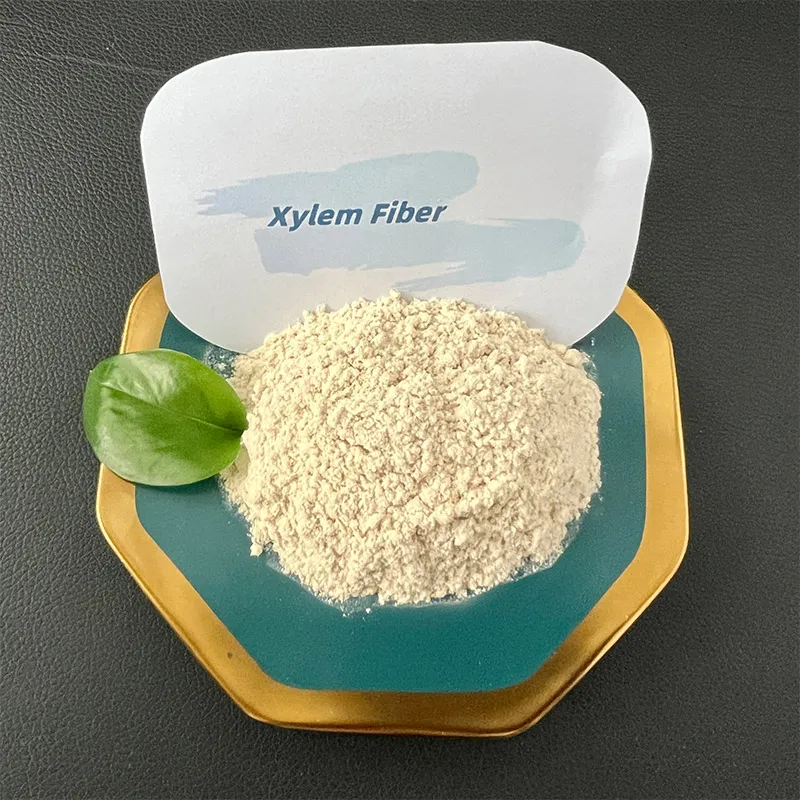 fiber_polypropen_kwa_saruji
Oct . 25, 2025
In the pursuit of sustainable and renewable materials, few substances hold as much promise as fibre -
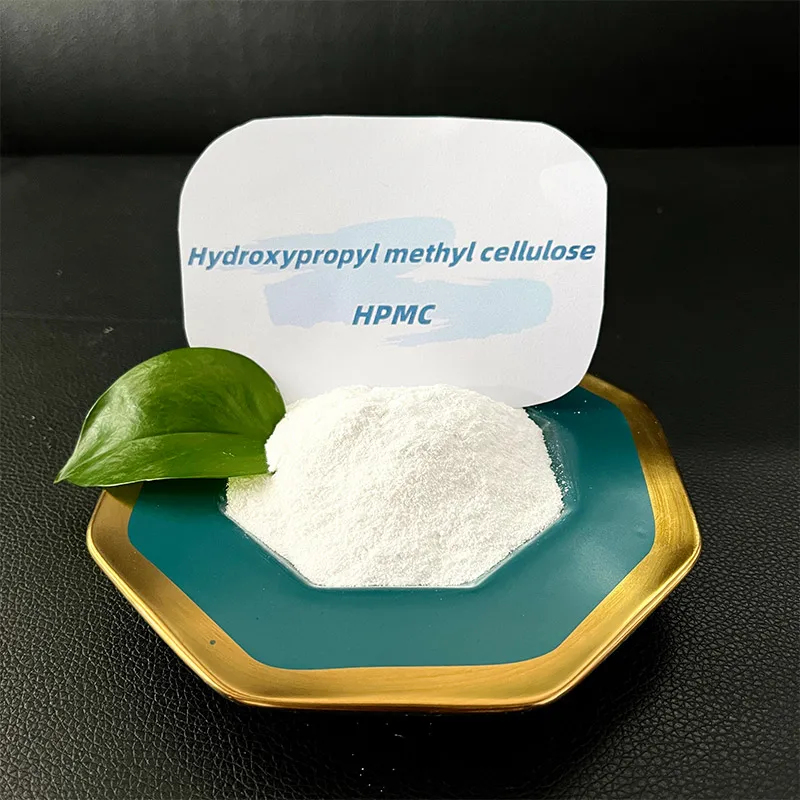 hpmc_for_wall_putty
Oct . 25, 2025
In the construction industry, creating durable and long-lasting tile adhesives is a top priority. Th -
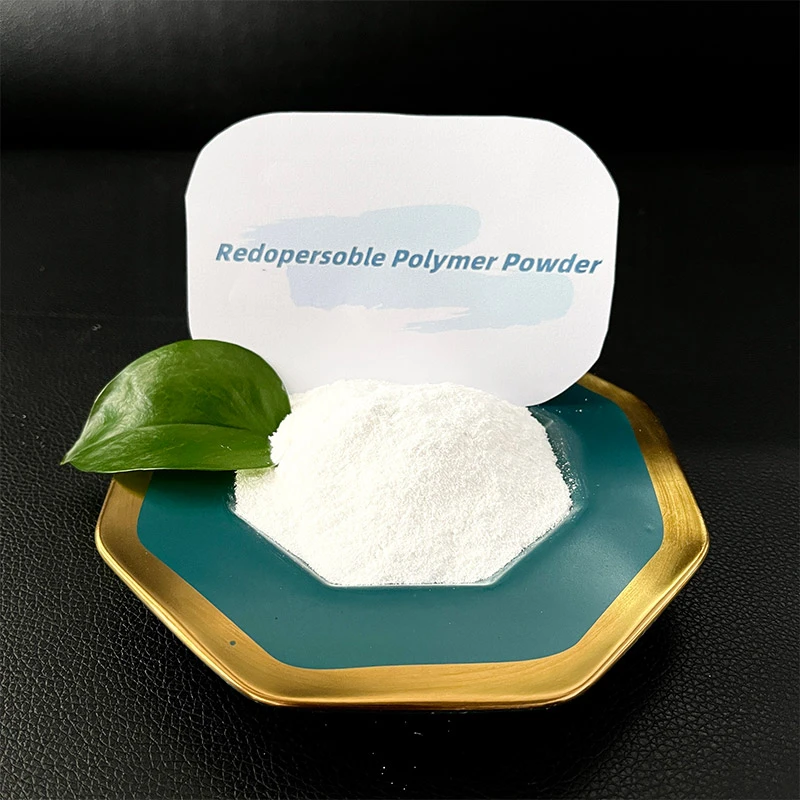 micro_synthetic_fibres
Oct . 25, 2025
The construction industry constantly seeks materials that offer superior performance, reliability, a


